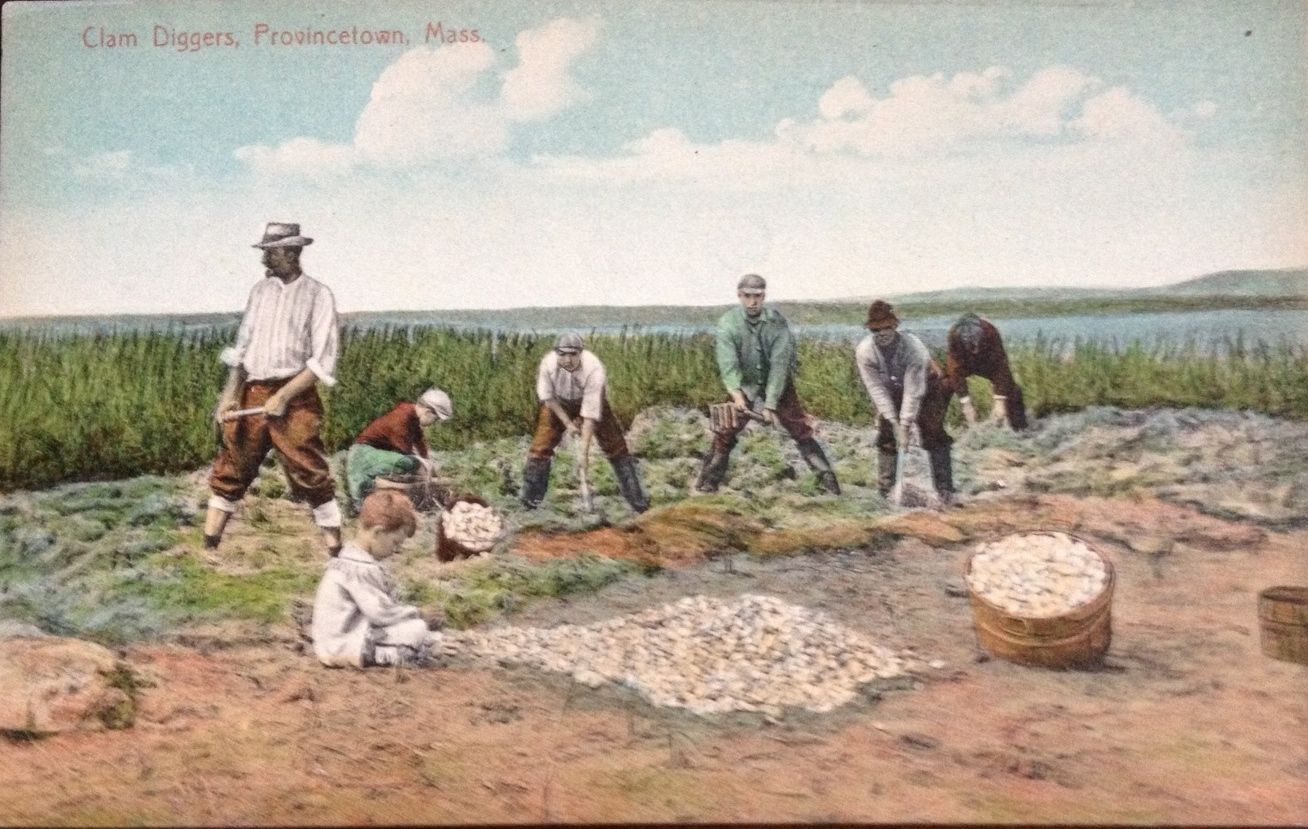
Mayflower Heights and Horses in Provincetown

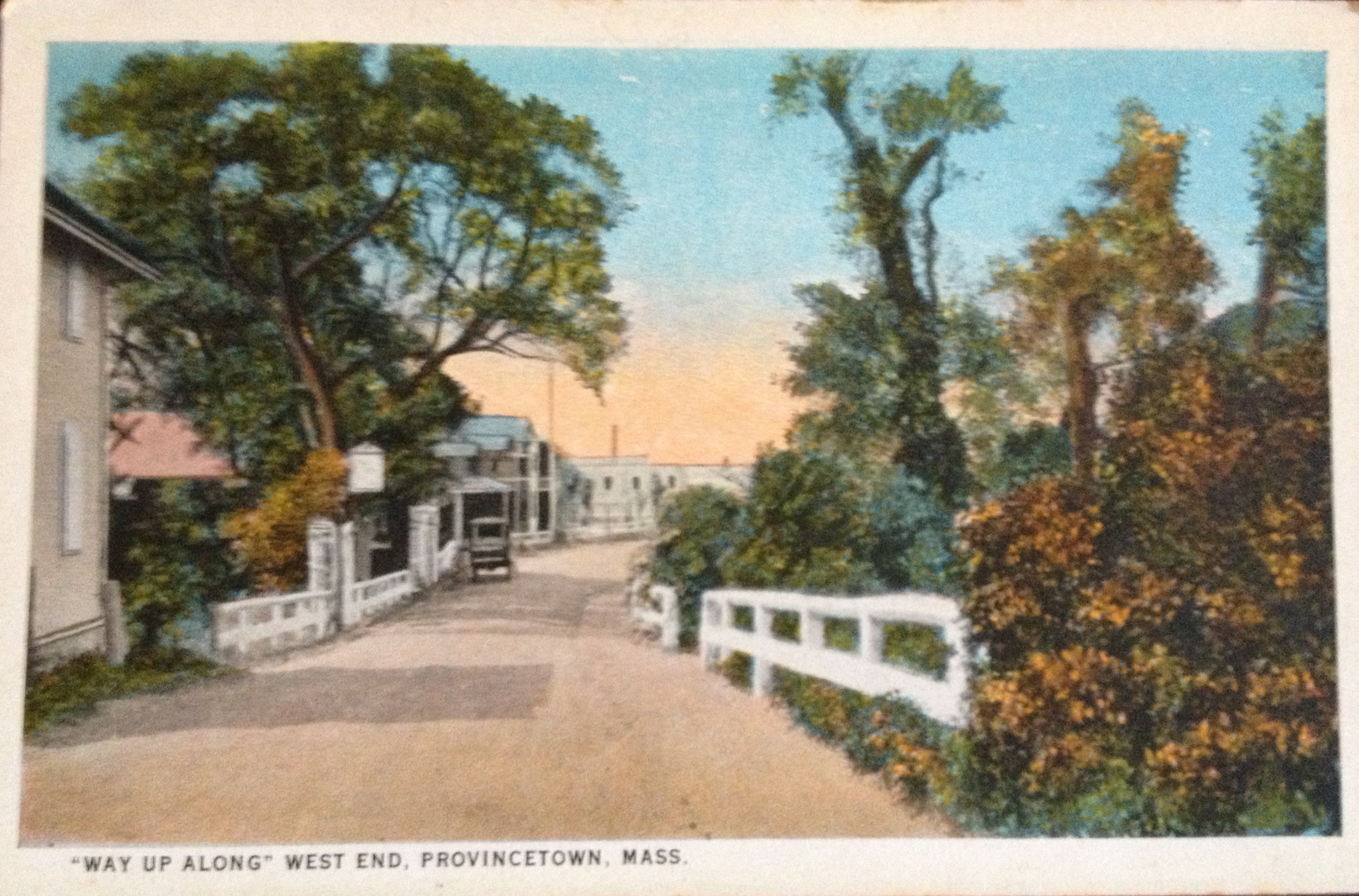
Mayflower heightsThe geography of Mayflower Heights in Provincetown certainly looks different in this antique postcard when you are approaching by horse and carriage!  Not that many people living in Provincetown, on the tip of Cape Cod actually owned horses. A boat was a more practical means of transportation, for this small town overlooking the Cape Cod Bay. As written  in The Log of Provincetown and Truro on Cape Cod Massachusetts by M.C.M. Hatch, published in 1939:

“In 1829, a Provincetown minister could write to a friend: –“would you believe that there is a town in the United States with eighteen hundred inhabitants and only one horse with one eye? Well that town is Provincetown and I am the only man in it that owns a horse, and he is an old white one with only one eye.”

There’s all different sorts of interesting things you can read about Provincetown written in the past. Or you can read a brand new murder mystery, Remaining in Provincetown by S.N. Cook now available in bookstores, online, and at Amazon.com. Like us on Facebook. Thank you!


Provincetown Cape Cod, where did the name come from?

West

How did Provincetown, Massacusetts get its name?
According to Agnes Edwards book, “Cape Cod New and Old”  published in 1918, after the union of the Plymouth and Massachusetts Bay colonies in 1692 Provincetown, then a part of Truro. became a fishing hamlet.  In 1741 it was set off as a precinct of the Province of the Massachusetts Bay Colony  Initially the lands retained, were owned by the colony.  Province of the Massachusetts Colony became Provincetown. Sounds logical to me. What may not be logical to someone who doesn’t live in Provincetown, why sewage and water usage are such hot button issues. When it comes to real estate use and development, these things are very much on the minds of the characters in the new murder mystery novel, Remaining in Provincetown by S.N.Cook. Now available online and in bookstores, including Amazon.com. Like us on Facebook.


Provincetown’s first Italian restaurant a gay love story

Cesco's Italian Restaurant  opened in 1916

Cesco’s Italian Restaurant
opened in 1916

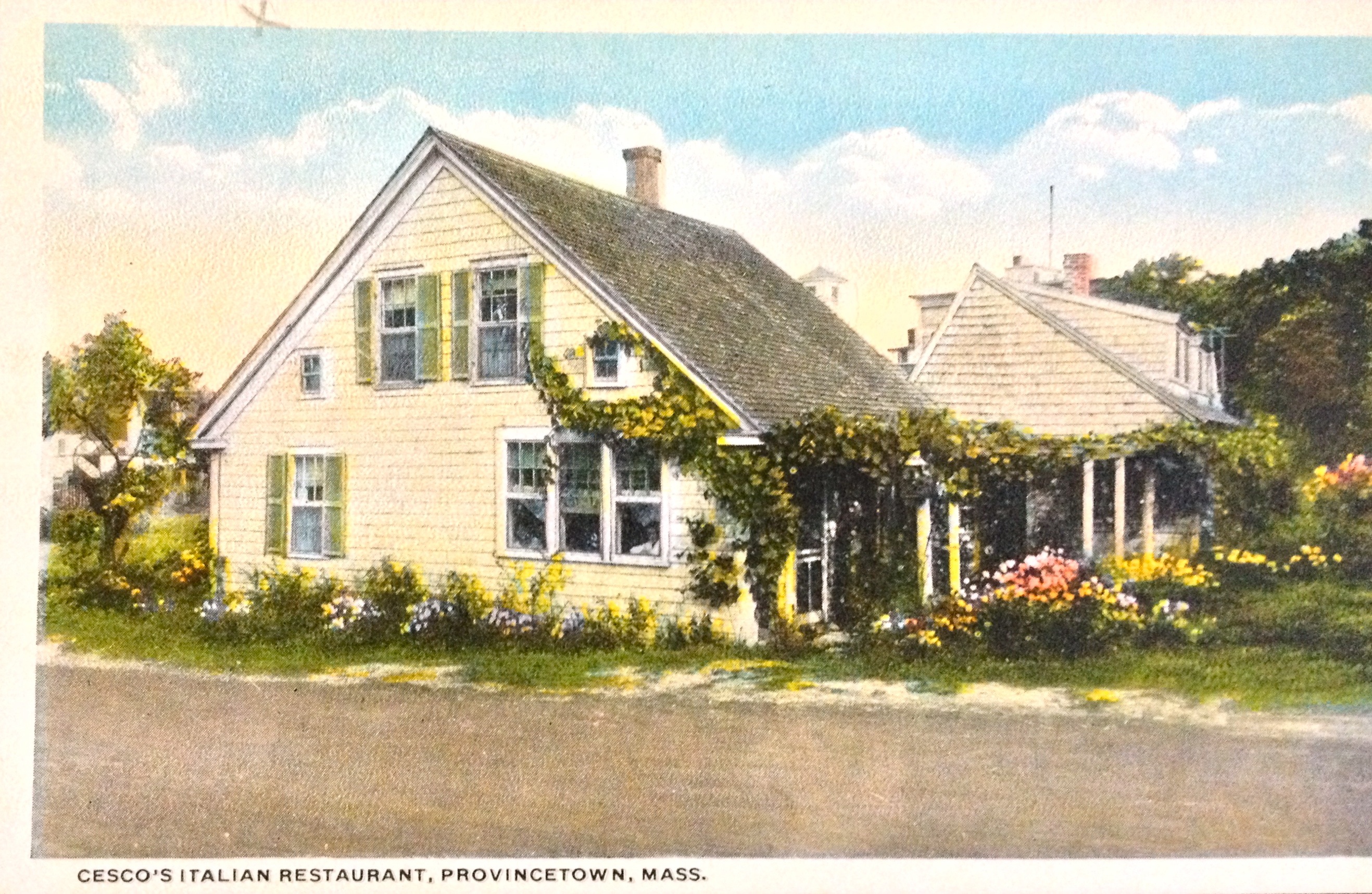
Going up Bradford Street in Provincetown, just beyond the Milldred Greenfelter East End Playground on the corner of Howland Street, there used to be a very popular Italian Restaurant. Called Cesco’s, as you can see above, it had its own postcard printed, the name comes from an abbreviated version of its chef and owner Francesco “Cesco” Ronga,  known fondly as the “Spaghetti King of Cape Cod.” Francesco met and fell in love with artist Fred Marvin, the half brother of Mary Heaton Vorse,  in Naples and followed Fred to Provincetown. The two men were devoted to one another for 50 years. Located in an extension of their home, the restaurant drew clientele from all over New England and was in operation from approximately 1916 to 1934. One of the characters, Frank Chambers, in the new murder mystery novel Remaining in Provincetown, has his own restaurant, “The Indigo Inn. ” Creating new recipes for Frank is a passion, almost an obsession. Want to read more about Frank and the other characters in the new novel everyone’s talking about. Pick up a copy, now available online and a bookstores including Amazon.com. Like us on Facebook.

Destination Provincetown Cape Cod Beaches

Parking space, Race Point Coast Guard Station, Provioncetown, Cape Cod, Massachusetts

Parking space, Race Point Coast Guard Station, Provincetown, Cape Cod, Massachusetts

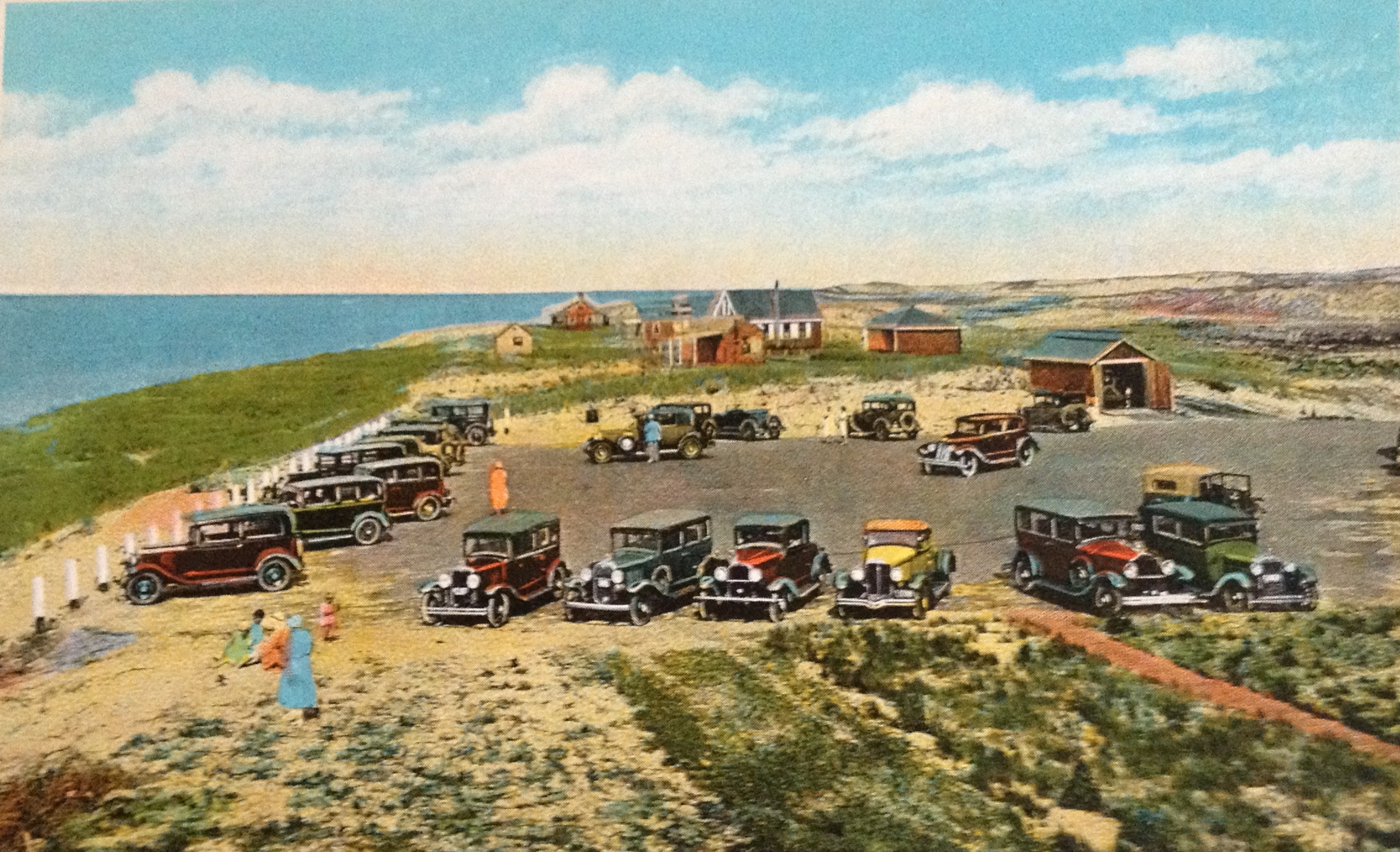
In 1910, the automobile was still a relatively new luxury form of transportation. If you owned one, it was a treat to take a driving tour out to the very end of Cape Cod and visit the beaches, sand dunes, and town of Provincetown. This antique postcard shows the parking lot of the Race Point Coast Guard Station (now part of the National Seashore) on a clear sunny day with all of its original buildings. It’s still a great place to visit today, and summer is almost here. Want to get in the mood for your visit? Read the new novel, Remaining in Provincetown by S.N. Cook now available online and in bookstores and at Amazon.com in trade paperback and on kindle. Like us on Facebook.

Provincetown Cape Cod setting for mystery and love

Fishing Boats at Provinetown, Cape Cod Mass. circa 1900

Fishing Boats at Provincetown, Cape Cod Mass. circa 1900

The above antique postcard shows the beauty of the Provincetown shoreline, viewing it from the harbor. While fishing boats are fewer, the beauty of the Cape Cod town known for its art galleries, bars, restaurants, and shops has gone through many evolutions through the decades, but is still a compelling place.  As described in the new murder mystery Remaining in Provincetown by S.N. Cook, “Whatever their disagreements, members of the Provincetown community were united in their love of the sea and sand dunes, along with the winding, narrow streets and nineteenth century architecture that dominated this small New England town.” Want to read more? The 306 page paperback is available at a number of online sites and at bookstores including Amazon.com and is also available as an ebook on kindle. Don’t forget to like us on facebook. We’ll be giving away one more FREE book this week to a facebook fan.

Like our facebook fan page and you may be selected to receive a FREE advance cppy!

Like our facebook fan page and you may be selected to receive a FREE advance cppy!

Provincetown takes center stage in new book

Remaining in Provincetown  By S.N.Cook.  Truro Works. 306 pages  $12.95 Trade Paperback

Remaining in Provincetown
By S.N.Cook.
Truro Works. 306 pages
$12.95 Trade Paperback

Provincetown, that enigmatic town on the tip of Cape Cod, is part of the title of the newly released murder mystery Remaining in Provincetown, and it is the core focus of a perfect mystery lite.  A story that delves into the thoughts, fears, and aspirations of a medley of characters as varied in their socio-economic and sexual orientations as the town in which they reside.

 Roz Silva, is the power hungry publisher/editor of the town’s (fictitious) weekly newspaper The Provincetown Observer. Widowed three years earlier, with two teenage daughters, she is attractive and lonely—so lonely she’s been carrying on what she thinks is a secret love affair with the new town manager, who just happens to be married. But in a small town, there are no secrets.  Certainly talented and sensitive Frank Chambers, a chef and owner of the highly regarded Indigo Inn, knows of Roz’s indiscretions and he’s not going to pass judgment on who she sleeps with when he is too busy worrying how to get his restaurant staffed for the upcoming season and whether the HIV virus he’s carrying will develop into a full blown case of AIDS.  But he and his good friend Bruno, an Innkeeper with a weakness for young boys, do know one thing, they don’t like Roz and they want to start an alternative publication—a magazine.

And then there is the murder. Sonny Carreiro, Portuguese American native son, insurance agent, and real estate developer is mysteriously shot in front of his home on a Sunday evening and there are no witnesses. But there are plenty of suspects. He’s been separated from his wife Sarah for several months. Why did she leave him? He’s not on speaking terms with his business partner Beau Costa. Where was Beau on Sunday night?  Who in Sonny’s past, may have a score to settle?

Set in the early 1990s in a version of Provincetown which contains many actual businesses and locations used in a fictional context along with newly created places and situations that may feel oddly familiar, the book brings to life a town known for its beauty and the unique diversity of its inhabitants.  Available online at Amazon.com and at local bookstores in trade paperback, 306 pages $12.95 retail or as a kindle ebook, it is destined to become a mystery classic.

Like our facebook fan page and you may be selected to receive a FREE advance cppy!

Like our facebook fan page and you may be selected to receive a FREE advance cppy!

Provincetown Pilgrim Monument inspires new novel

President Theodore Roosevelt Laying the cornerstone for the Pilgrim Monument in Provincetown in 1907

President Theodore Roosevelt Laying the cornerstone for the Pilgrim Monument in Provincetown in 1907

President Theodore “Teddy” Roosevelt came to Provincetown, Massachusetts on August 20th, 1907 to lay the cornerstone for the Pilgrim Monument as shown in the above antique postcard.  It was a joyous occasion for the Cape Cod town and the Cape Cod Pilgrim Memorial Association founded in 1892 to honor Provincetown as the Mayflower Pilgrims’ first landing place in 1620.  Crowds gathered and the bands played to mark the start of construction that was completed three years later in 1910.

While Plymouth often gets much of the glory for being the first settlement of the pilgrims, it was  in Provincetown and Truro that the Pilgrims, sailing to the New World on The Mayflower, spent five weeks before they sailed to the base of the Cape. It was in Provincetown Harbor that they drew up the Mayflower Compact, which established the basic rules of governance for their new home.

The novel everyone is talking about is about to be released.

The novel everyone is talking about has been released.

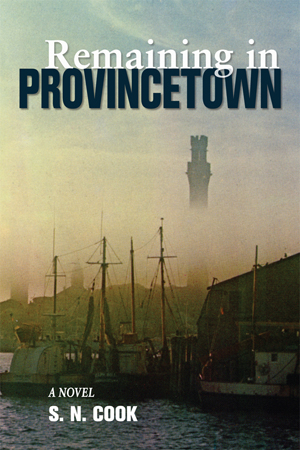
The Pilgrim Monument situated up on a hill looking out over the town, stands 252 feet in height.  The design of the all granite monument that sits 350 feet above sea level, was modeled after a classic stone monument in Italy, Torre Del Mangia in Siena. Whether you approach Provincetown by boat, car, or airplane, the Pilgrim Monument immediately grabs your attention as an important landmark.  Which is why the Pilgrim Monument is a focal point on the cover of the just released novel Remaining in Provincetown now available at Amazon.com.  If you’ve been enjoying this blog,  you’ll want to read the book.

Like our facebook fan page and you may be selected to receive a FREE advance cppy!

Like our facebook fan page and you may be selected to receive a FREE advance cppy!

Old Cape Cod and Provincetown in stories and song

Vintage Cape Cod postcard circa 1930

Vintage Cape Cod postcard circa 1930

“If you’re fond of sand dunes and salty air,” goes the 1957 song written by Alan Jeffrey, Claire Rothrock and Milton Yakus, “Quaint little villages here and there, you’re sure to fall in love with  Old Cape Cod.” The hit tune sung by Patti Page captures the spirit of the above antique postcard published 20 some years earlier.  “If you like the taste of a lobster stew served by a window with an ocean view, you’re sure to fall in love with Old Cape Cod,” the song goes on to say although they don’t mention Provincetown’s Pilgrim Monument, fishing excursions, swimming, and little neck clams as illustrated in the postcard, the reference to “Old Cape Cod” alludes to the preponderance of historic buildings and antique shops even in the 1950s.  There are still plenty of antique shops, flea markets, and yard sales on Cape Cod today. And there were plenty of antiques bought and sold during the 1990s, when  the soon-to-be released mystery novel Remaining in Provincetown takes place. One of the book’s characters  Bruno, has furnished his entire Bed and Breakfast with antiques and another character, Sonny Carreiro, collects antique postcards. Visit our facebook page to see the novel’s front cover . Click the “like” button and you’ll automatically be entered to possibly win a FREE copy. Now available at Amazon.com.

Like our facebook fan page and you may be selected to receive a FREE advance cppy!

Like our facebook fan page and you may be selected to receive a FREE advance cppy!

Digging for clams in Provincetown, Cape Cod

Ptown clammers

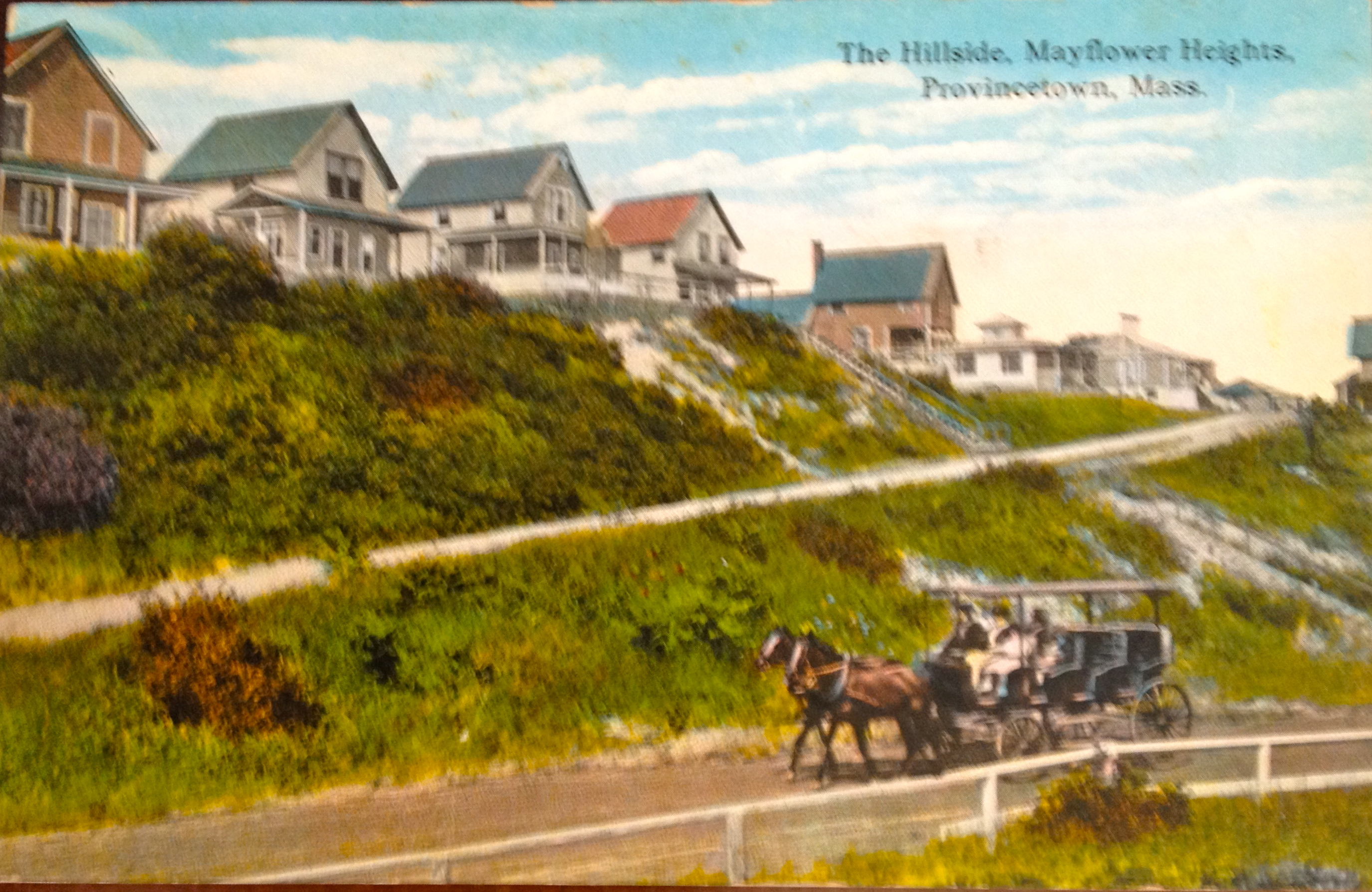
This rare antique postcard shows clam diggers using rakes to gather bushels of clams in Provincetown, Massachusetts on the tip of Cape Cod.  Clam chowder, stuffed quahogs, and fried clams are some of the favorites visitors enjoy when they dine, as do the characters in the novel Remaining in Provincetown by S.N. Cook, at Sally’s Chowder Bowl (a fictitious place that may bring back memories).  Quahogs, also known as cherry stones and little necks, along with steamers (soft-shell clams), sea clams, and razor clams were once exceedingly plentiful in Provincetown Harbor.  They were an important source of food for the Indians and the purple portion of the quahog shells were used as a trading exchange referred to as wampum.  The early American colonists took advantage of this easy to access food source and developed a taste for shellfish stews and chowders. During the Great Depression in the 1930s, shellfish provided sustenance when jobs were few and families were struggling to put food on the table. The result was a depleted shellfish population, overfished almost to extinction. The one exception is mussels, which live on rocks and benefitted from the construction of breakwaters. Today efforts are being made, with some success, to restore the shellfish population because their presence helps to filter the Bay’s water and maintain an ecological balance.  Take note that the gathering of clams and oysters requires a license and is under strict regulation.  There are, however, plenty of opportunities to go fishing.  There are a number of boats that take off from Provincetown harbor. To see another vintage postcard, just posted, visit our new face book page and like it to be entered in the drawing to win a FREE copy of the new mystery coming out later this month. Thank you.

Like our facebook fan page and you may be selected to receive a FREE advance cppy!

Like our facebook fan page and you may be selected to receive a FREE advance cppy!

Provincetown walk across the water

Provincetown, Massachusetts Breakwater built in 1911

Provincetown, Massachusetts Breakwater built in 1911

The breakwater that spans across  from the end of Cape Cod’s hook across the Bay to the little spit of land known as Long Point has been in place as long as anyone can remember. But there was a time when it was referred to as “The New Government Breakwater” as it is on this postcard.  Walk across the breakwater and you’ll arrive at Long Point and the Long Point Lighthouse. Built by the Arm Corp of Engineers and completed in 1911, the intent of the breakwater was to secure the safety of the harbor and prevent the erosion of sand.  Take a walk on the breakwater and arrive at the Long Point Lighthouse or practice your skills climbing the rocks. It used to be a great place to gather mussels to steam for dinner, along with  hermit crabs and starfish.  Still the sand  around the breakwater moves and splits as the decades pass. Life changes . People die. Others  leave and new residents arrive and decide to remain in Provincetown.  Thus the name of the novel Remaining in Provincetown, a mystery not only about a murder but about the town itself.