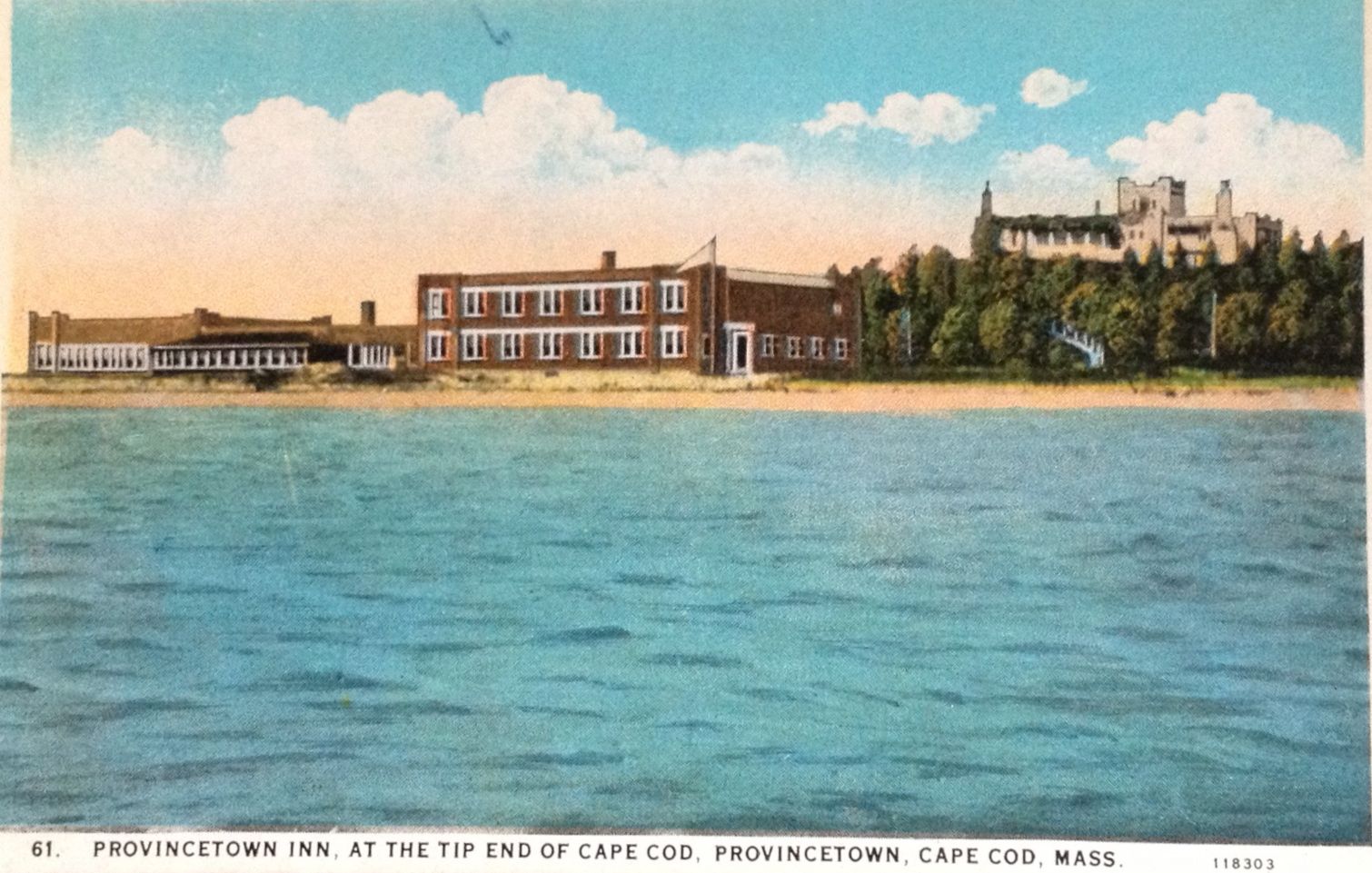
The originial Provincetown Inn on the tipe of Cape Cod

Provincetown Inn on Cape Cod

Provincetown Inn on Cape Cod

Looking out across Cape Cod Bay, the Provincetown Inn was built back in 1925 and initially had 28 guest rooms. Shown in this vintage postcard, it is located at the very end of town near the Breakwater and today looks quite different than it did  at the start of the 20th century. Purchased by Chester Peck in 1935, in the 1950s a beach was “created” using sand from the nearby dune and four additional acres (according to the Inn’s website) were created. Hmm that is not something that would be allowed today, with concerns about retaining existing coastline and drainage, but the result was a spacious resort with night club, three dining rooms, gift shop, barber and beauty shops and more. Thirty-two more rooms were also added. In 1972 the inn was sold to investors and in 1977 was sold to the Evans family.  During the mid 1970s  Marvin Hagler started coming to Provinetown to  train at the Provincetown Inn and jogged across the sand dunes to get into shape.  He set up his very own ring by the indoor swimming pool. Hagler was world middleweight boxing champion from 1980-1987.

While the indoor swimming pool is no more as the Inn has continued to be refurbished through the years one thing that does remain are the hand-painted murals that were painted by Don Aikens that were inspired by old photographs, postcards, and paintings showing how the town looked in the late 19th century.  It’s a favorite spot for the Carreiro family children to visit (the Carreiro’s being a fictitious family in the novel Remaining in Provincetown).  They’ve got a lot on their minds with their father being murdered. Will they catch who did it? Stay tuned for more information and more vintage pictures.

Town Crier once a Provincetown tradition

Town Crier in Provincetown late 19th century

Town Crier in Provincetown late 19th century

Town Criers were once a New England tradition. Walking the streets they verbally spread the news and in tourist communities such as Provincetown on Cape Cod, they were often employed by the Chamber of Commerce to promote commerce.
Usually the image of a New England Town Crier is a plump man dressed in Pilgrim style garb. The Town Crier in the black and white postcard printed in Germany, shown above, carried the bell and the broadside, but is certainly not dressed like a pilgrim.  Through Provincetown’s history there  have been many different Town Criers, and they are documented in antique post cards.  The last Town Crier for Provincetown, Gene Poyant, walked the streets in the early 1980’s and died in 1998.  A Town Crier figures into the plot of the novel Remaining in Provincetown in more than one way, just as there are a variety of Town Criers. We’ll be sharing some more pictures of Town Criers from the past in the weeks to come.

Sand dunes entering Provincetown Cape Cod a memory

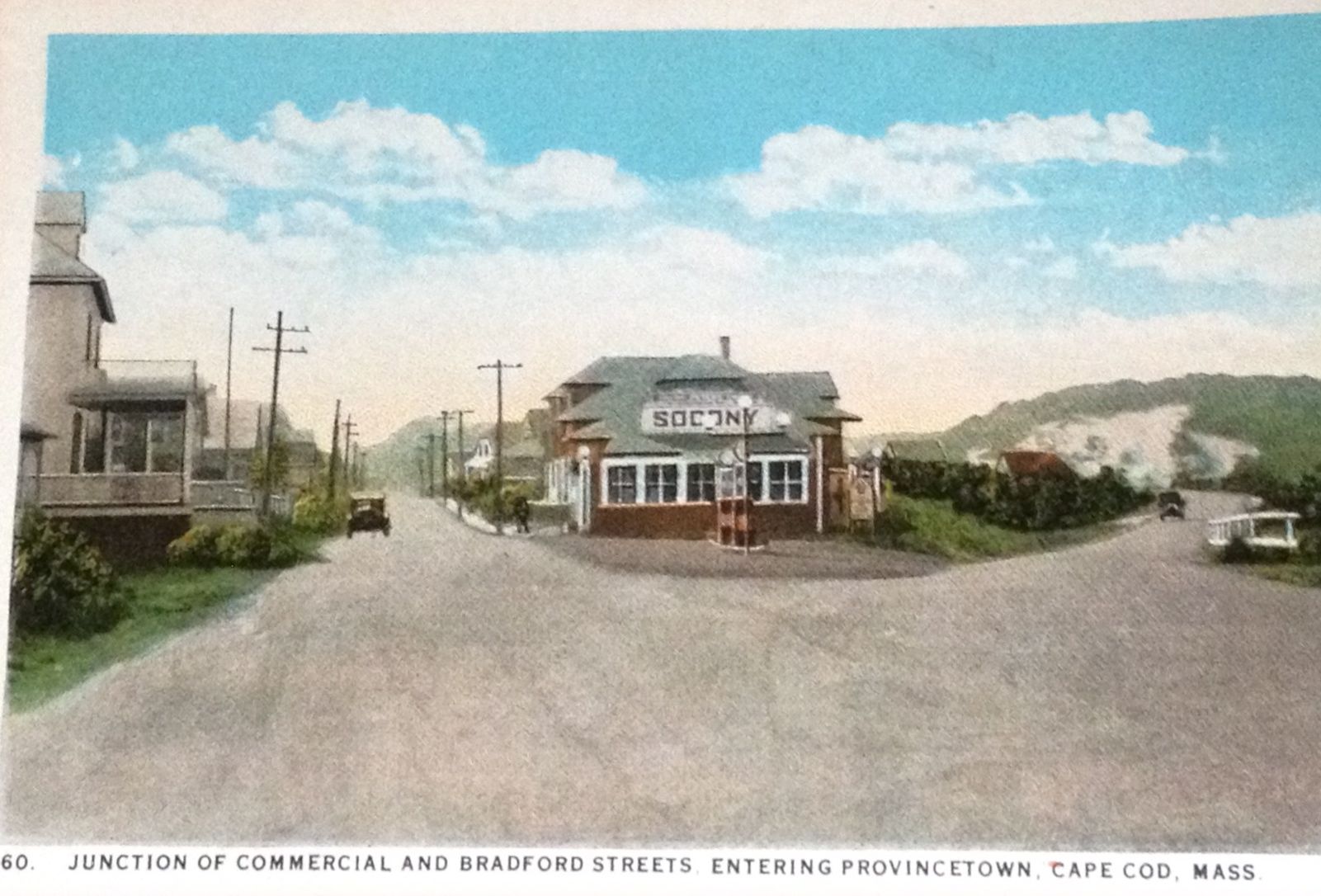
Junction of Commercial and Bradford Streets entering Provincetown, Cape Cod, Massachusetts

Junction of Commercial and Bradford Streets entering Provincetown, Cape Cod, Massachusetts

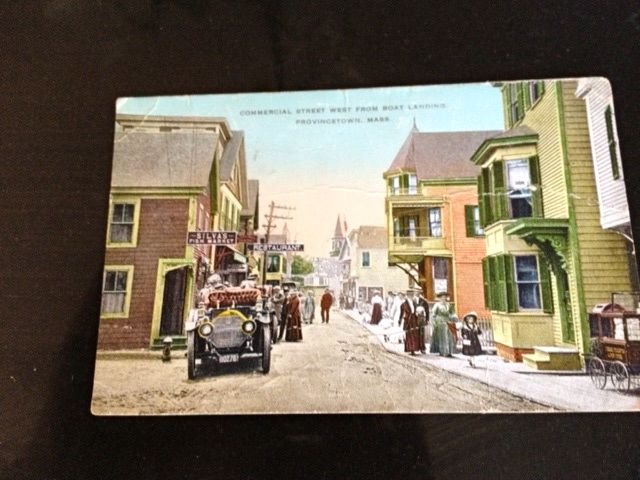
Sand dunes greet you as you enter the east end of Provincetown in this antique postcard.  The houses on Commercial Street don’t look much different than they did 100 years ago in this unique town on the tip of Cape Cod. On Bradford Street, the town’s major two-way thoroughfare, however, it looks quite different. With just two main streets and only a one route out of town, by car, how do you commit a murder and make a clean getaway? In 1990, the approximate year  the new novel Remaining in Provincetown takes place, much of the sand dunes and woods had already made way for apartments, condominium complexes, and businesses.

Announcing a new book set in Provincetown

Remaining in Provincetown is the name of a fabulous novel, about to be published and this blog is the place where you’ll be able to ask your questions and make your comments. Want to know more?

This color lithograph postcard was created over 100 years ago. What's on that corner now?

This color lithograph postcard was created over 100 years ago. What’s on that corner now?

Old postcards figure into the plot.