Provincetown art schools and artists

An Art Class at Work

An Art Class at Work

Artists clustered together on a dock painting a scene of  a Provincetown Wharf in summer. How could they work, all crowded together? The clear north light on the tip of Cape Cod attracted artists from all over the world. Many of these artists were also  teachers. Thus more aspiring artists were drawn to Cape Cod to study drawing and painting and dozens stayed and made Cape Cod their permanent home. Thus Provincetown become known as an art colony. Today the town is home to the Fine Arts Work Center as well, where students of writing, sculpture, painting, and drawing work year-round.

One of the most popular art teachers was Charles Hawthorne (1872-1930) and many of his fine oil paintings are in the collection of the Provincetown Art Association and Museum.  Hawthorne founded the Cape Cod School of Art. Be sure to visit the Provincetown Art Association and Museum if you are a new visitor to the town to see his masterful portraits, still lifes, and landscapes.    Many artists had art schools including Hans Hoffman,  Seong Moy, who taught printmaking, and Henry Henche.  Hawthorne taught his students to focus on capturing the contrasts in colors and light and to work quickly with confidence.  These are still good life lessons that could be applied to everything including writing. Read any good books lately? The new novel, coming this summer Remaining in Provincetown, is almost on its way to the printer.

Provincetown fishing wharf from bygone era

Consolidated Weir Co's Wharf

Consolidated Weir Co’s Wharf

When fishing was a major  industry on Cape Cod, there were fishing weirs, nets set up in the water used to trap fish. The use of weirs for fishing was a Native American technique that was taught to the early colonists in New England. Could the name Consolidated Weir Company name have something to do with the use of weirs?  While weirs were a frequent sight in the harbor during the early part of the 20th century, they were abandoned or removed  by the late 1960s. This was long before I was born but I do recognize a building in the background that provides a clue to where this long ago wharf in Provincetown was located. The building was on the East End of town, the old ice house which provided the ice for packing the fresh caught fish for storage and transport. Visit Provincetown today and in its place is a stucco and brick building. All that are left of the wharfs on beach side are a few wood pilings.

What still remains in Provincetown from the early fishing era? Or should I ask, who is still Remaining in Provincetown?  I love a good mystery.

Provincetown Bathing Beach a Tourist Attraction

Brown's Bathing Beach in Provincetown, Massachusetts

Brown’s Bathing Beach in Provincetown, Mass.

It was a time of discretion , when men and women covered themselves for the sake of modesty when bathing at a public beach. Brown’s Bathing Beach in Provincetown, was such a place where there were booths for changing into the appropriate bathing suits. Automobiles and trains enabled tourists to travel to scenic  beach side resorts such as  Provincetown, located on the tip of Cape Cod. It was a popular destination. With its narrow streets and houses built along the waterside, many guest houses and hotels established thriving businesses. Shops and restaurants geared to the tourist trade soon followed, creating a seasonal economy. Nowadays Provincetown is still a popular summer destination with a seasonal economy. It’s the winter economy that can be challenging for those who live on the Outer Cape year-round, Curious to know what it’s like in early spring before the tourist season? Read the  soon-to-be-released novel Remaining in Provincetown.

Giant Halibut caught in Provincetown Massachusetts

A 270 lb. Halibut caught in Provincetown, Massachusetts.

A 270 lb. Halibut caught in Provincetown, Massachusetts.

It’s been a long time since Halibut have been commercially fished off Cape Cod. This old postcard photo must have been taken in the last decade of the 19th century! Halibut supported important commercial fisheries from the early 1800s to the 1880’s but was severely over fished in the 19th and early 20th centuries. Thus you are unlikely to catch any Halibut off Cape Cod or Provincetown and if you do,  there is a bycatch  limit of one fish per trip and the fish must be at least 36 inches in length.

Halibut is the largest species of flatfish found in the northwest Atlantic Ocean. Maybe one day, if the population is  allowed to increase enough to create a thriving population, sports fisherman will once again be holding up a large Halibut they’ve caught for a photo opportunity.

Currently if you go out on a fishing charter boat from Provincetown harbor, depending on the season you will be fishing for Striped bass, Blue fish, Fluke, Codfish, or Blue fin tuna.

The love of fishing is pervasive and remains in Provincetown.

Provincetown’s Old Hotel Still in Operation

The Gifford House back at the start of the 20th Century.

The Gifford House back at the start of the 20th Century.

Provincetown has undergone many changes during the past 100 years but you can still recognize plenty of old businesses. The Gifford House has changed somewhat in physical appearance and the clientele is different. Wouldn’t it be nice though to see some of those elegant touring automobiles parked in front?  Was it the kind of  gay party place it is today when summer rolls around?

Shipwrecks in Provincetown

Stormy seas like the seas we’ve been experiencing on the Outer Cape the past few days mean danger for ships. Particularly in the past before  radar and  satellite tracking technology many ships crashed on the sand bars and drifted to shore.

Ptown6

This old post card shows a “Rum Runner” stranded on Race Point Beach at the tip of Cape Cod, now part of the Provincetown National Seashore, near the Coast Guard Station.  Stormy weather in the soon to be released  novel, Remaining in Provincetown?

You’ll have to read it to find out.

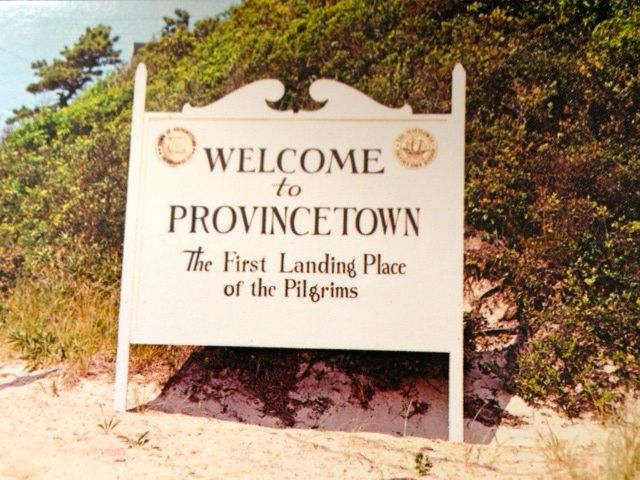
Welcome to Provincetown

The welcome sign when you first arrive in Provincetown was replaced several decades ago, and while the message still says “welcome”  and recognizes the importance of the fishing industry, the old sign let visitors know that counter to what many children are taught in school,  Provincetown not Plymouth was the first landing place of the Pilgrims.  VIsiit Provincetown and at the Pilgrim Memorial Monument and Museum you can learn more about the Mayflower’sImage visit to Cape Cod. There are many things about Provincetown the casual visit may not be aware of, but when you read Remaining in Provincetown, you’ll get an insider viewpoint.

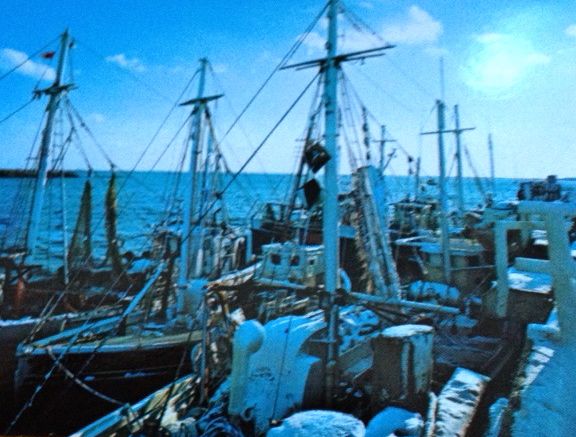
Provincetown fishing industry

Image

It wasn’t that long ago that you could walk down to the end of the wharf and see lots of fishing boats. The  photo for this postcard was taken in the 1960s.  The Blessing of the Fleet is still going strong, however, and its a great celebration. Read about it in the soon to be released novel Remaining in Provincetown.

Gem on the tip of Cape Cod

Even back in the 1960s when this postcard was published, only a select group of travelers opted to make the trip all the way to the tip of Cape Cod. Those who were adventurous discovered a great vacation spot. Some loved it so much they decided to stay like some of the characters in the novel Image

Murder in Provincetown?

Provincetown Railroad Wharf

Provincetown
Railroad Wharf

Provincetown, Massachusetts–

Where would you hide a body if you wanted to dispose of it quickly?  On  railway car loaded with fish?  Back in the 19th century, fish was delivered directly from the fishing boats of Provincetown on the tip of Cape Cod down to New York City by railroad.  There’s a lot you can learn from old postcards…